Racism, Sadism and Torture
Racism, Sadism and Torture: Human Rights Abuses in Japan

Japan is often seen internationally as a safe, orderly, and democratic society, but its human rights record tells a darker story. Systemic racism, sadistic treatment of detainees, and practices that amount to torture have been documented by human rights organizations, survivors, and legal experts. These abuses raise serious questions about Japan’s commitment to international human rights standards.
- Racism: Foreigners as Permanent Outsiders
Japan remains a largely homogeneous society, and foreigners—particularly those with darker skin or from South Asia, Africa, or the Middle East—are often treated as permanent outsiders.
- Police profiling: Foreign residents regularly report being stopped by police for “random checks,” often dozens of times in just a few years. One Pakistani resident stated: “I was stopped 15 times in three years. The only reason is how I look. I have the right visa, but I am still treated as a suspect.” Another African resident explained: “They ask me for my card, but I see Japanese people walk past without being checked. It’s always me.”
- Housing and employment discrimination: Rental contracts and job postings frequently contain exclusionary clauses such as “No Foreigners Allowed.” A Nigerian man seeking an apartment in Tokyo recalled: “The agent said, ‘The owner doesn’t want foreigners because you might cause trouble.’ I had proof of income, but they still said no.”
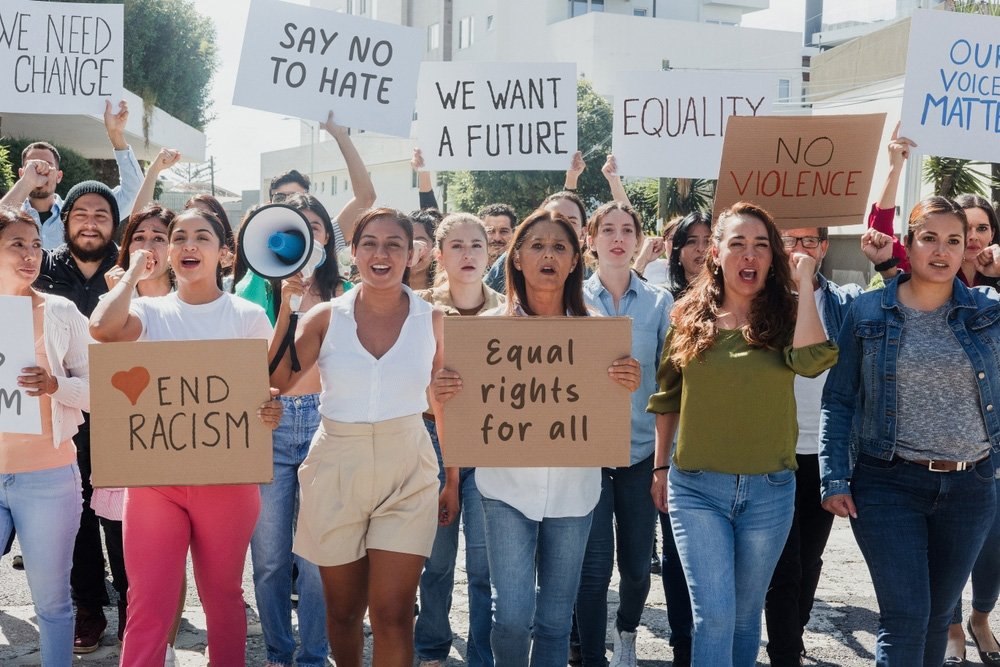
- Social exclusion: Even naturalized citizens report being refused entry to public spaces such as bathhouses. One American-born Japanese citizen said: “I showed my passport and said I’m Japanese, but they still said no, because I didn’t look Japanese.”
This form of racism is not just casual prejudice—it is institutional, shaping foreigners’ everyday experiences and denying them equal participation in society.
- Sadism: Cruelty in Immigration Detention
Immigration detention centers in Japan are notorious for their harshness. With no legal time limit on detention, some people are held for years.
- Wishma Sandamali’s death (2021): A Sri Lankan woman detained at the Nagoya Immigration Bureau repeatedly begged for medical help as her health declined. Detainees reported hearing guards mock her, saying she was “faking it.” A fellow detainee recalled: “She could not even eat. She cried, but the officers just laughed.” Wishma died on the floor of her cell, her requests ignored.
- Punitive solitary confinement: Former detainees describe being locked in isolation for minor infractions. One West African detainee said: “They call it ‘punishment.’ You sit alone for days with nothing, no books, no phone. It feels like you are not human anymore.”
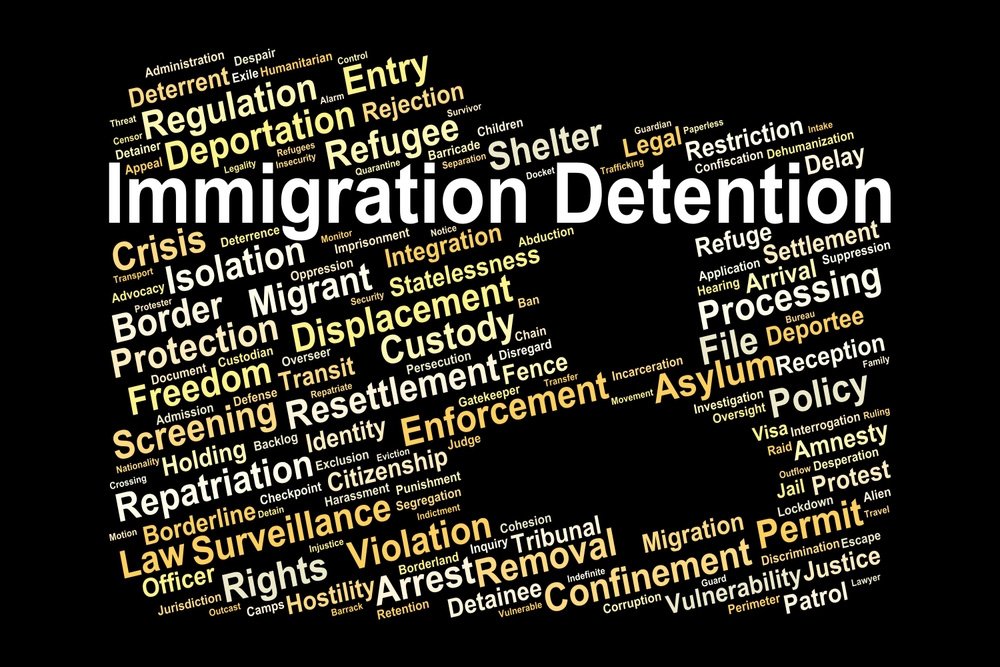
- Hunger strikes and retaliation: Protesters demanding release have faced harsh reprisals. One Bangladeshi detainee on hunger strike reported: “They told me, if I don’t eat, they will tie me down and force me. They refused me phone calls. It was like being treated as an animal.”
- Deaths and suicides: Multiple suicides have occurred inside detention. A former detainee explained: “People lose hope. Some hang themselves with their sheets. They would rather die than live in here.”
Such practices reveal not just neglect but deliberate cruelty, aimed at breaking detainees’ spirit.
- Torture: The Criminal Justice System
Japan’s criminal justice system has long been accused of practices amounting to torture.
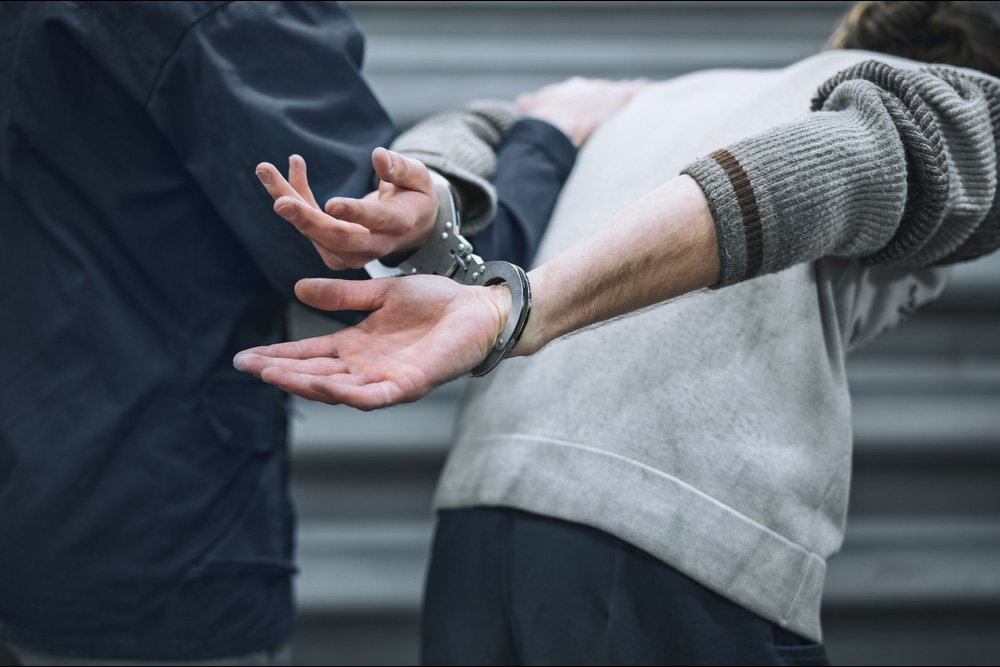
- Prolonged detention and confessions: Suspects can be held for 23 days per charge, during which police interrogate them daily without a lawyer present. One former detainee described: “They questioned me 12 hours a day. No sleep, no lawyer. They shouted at me until I signed. I thought I would never leave alive.”
- Iwao Hakamada’s case: Convicted of murder in 1968, Hakamada later said: “They hit me. They shouted. They told me if I confessed, I could go home. I was innocent, but I signed because I could not endure anymore.” He spent nearly 46 years on death row before being acquitted.
- Nicholas Baker’s case: A British chef arrested in 2002 for drug smuggling described his detention: “I was kept in solitary confinement, deprived of sleep, and pressured daily to confess. They broke me down mentally.”
- Death penalty secrecy: Japan’s method of execution, hanging, is shrouded in secrecy. A former guard admitted: “Prisoners are told only on the morning of their execution. Some live for 30 years in fear, waiting every day for the sound of footsteps.” One former death row inmate described the ordeal as: “Every day was torture. I never knew if it was my last.”
These accounts highlight the system’s reliance on psychological and physical pressure, amounting to state-sanctioned torture.
- A Culture of Silence and Denial
Despite international condemnation, Japan has been slow to reform. Government officials often dismiss criticism as cultural misunderstanding. Victims are silenced by social pressure, while domestic media rarely confronts these issues directly. One Japanese lawyer advocating for reform observed: “The system depends on silence. As long as detainees and prisoners are hidden away, the public does not see their suffering.”

Further Reading & Sources
Related news on Japan human rights
- Amnesty International – Reports on detention center abuses and immigration deaths
- Human Rights Watch – Documentation of “hostage justice” and coerced confessions
- UN Human Rights Committee – Findings on torture, solitary confinement, and systemic discrimination
- The Guardian – Coverage of Iwao Hakamada’s wrongful conviction and acquittal
- AP News – Reports on police racial profiling and systemic inequality
- Le Monde – Investigations into forced confessions and discriminatory policing
- Facts and Details – Examples of racist depictions in Japanese media
- Wikipedia – Articles on Wishma Sandamali, Nicholas Baker, Iwao Hakamada, and capital punishment in Japan