Previous Convictions
The Treatment of Foreigners with Past Criminal Convictions Seeking Entry to Japan

Japan enforces stringent immigration laws that closely scrutinize the criminal history of foreign entrants. Under the Immigration Control and Refugee Recognition Act (ICRRA), individuals convicted of certain offences—particularly those involving drugs—can face outright denial of entry, regardless of how minor or how long ago the conviction occurred.
- Legal Foundations and Absolute Bars
The ICRRA explicitly bars entry for foreign nationals who have been sentenced to imprisonment of one year or more, or have committed drug-related offences, whether the crime occurred in Japan or abroad. Convictions for drugs, even those considered minor or resulting in suspended sentences, fall under this prohibition.

- Complexities Around Minor Offences
While convictions for violent or serious crimes are treated harshly, minor offences may not always trigger automatic rejection. However, the decision ultimately lies with immigration officials at the point of entry. Factors such as the nature of the offence, elapsed time since conviction, and evidence of rehabilitation—if presented—play a role.

- Visa Applications and Special Permissions
Applicants with criminal records must often navigate a more rigorous visa process. This usually involves full disclosure of their history, submission of official documentation (like court records and letters of rehabilitation), and potentially lengthy processing times. Japan can issue a “Special Permission to Enter” under exceptional circumstances—such as attending a funeral or conducting critical business—but approval is discretionary and rare.

- Heightened Border Scrutiny Through Biometric Systems
Japan’s immigration control includes a biometric screening system called J-BIS, deployed at major airports and ports. It collects fingerprints and photographs of foreign entrants and matches them against a database containing known criminals, previously deported individuals, and convicts. This technology enables swift identification and exclusion of individuals with adverse records—even before they can lodge an appeal.

- Illustrative Case: Harsh Treatment and Detainment
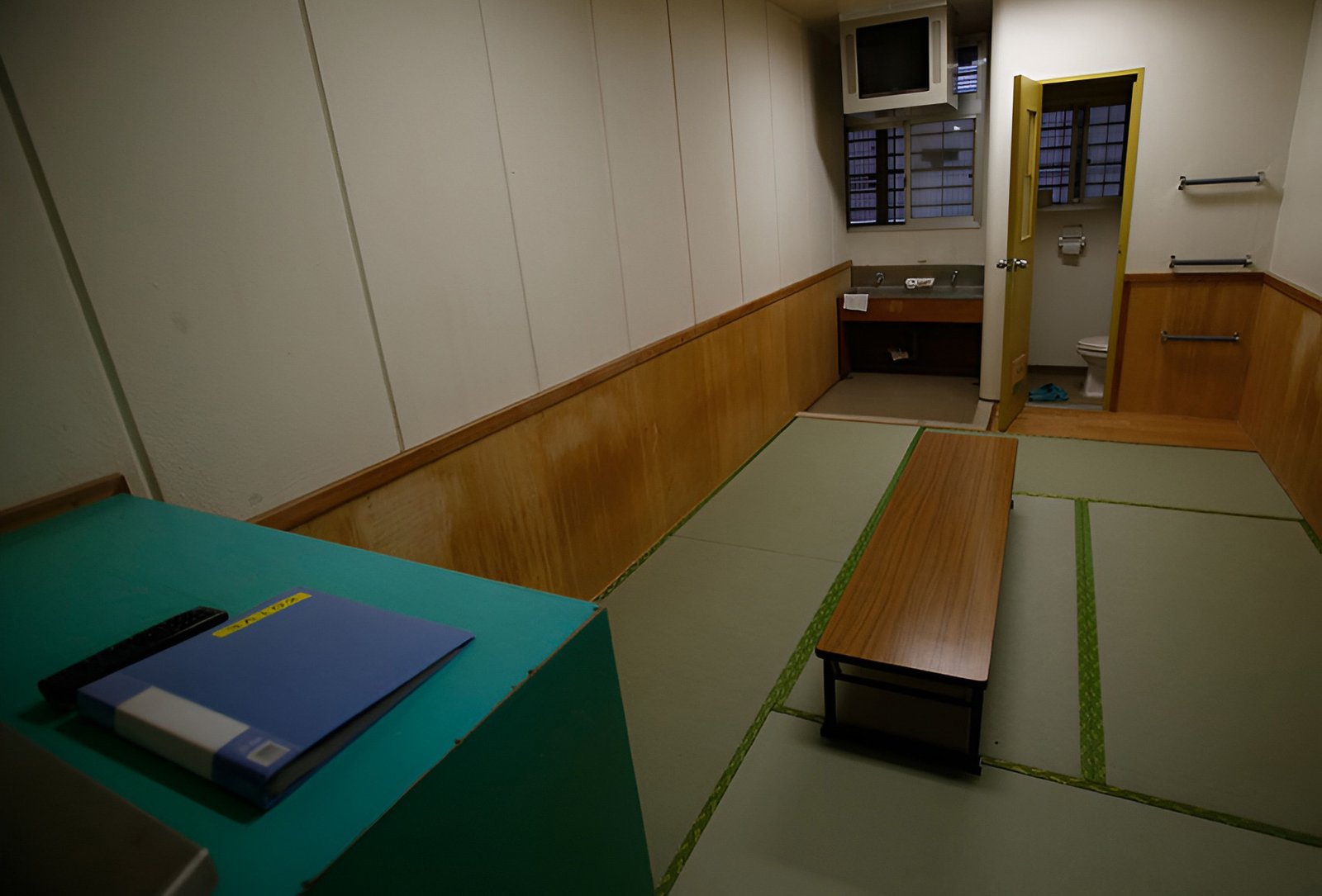
Serving as an extreme example of Japan’s devout approach to drug-related offenses, British chef Nick Baker was arrested in 2002 for drug smuggling. He alleged harsh pre-trial conditions—including solitary confinement, sleep deprivation, coerced confession, and inadequate legal access—before receiving a lengthy sentence. His case spotlighted broader concerns over Japan’s criminal justice procedures, especially regarding foreign defendants.

Summary of Key Issues
| Issue | Description |
|---|---|
| Legal Bars | Convictions for drug-related offences or imprisonment of one year or more generally prohibit entry |
| Discretionary Exceptions | Minor offences or rehabilitation evidence may help—but final decision rests with officials |
| Visa Complexity | Applications often require detailed documentation and may be denied despite approval |
| Biometric Screening | J-BIS flags individuals with prior convictions at ports of entry |
| Case Example | Nick Baker’s experience highlights harsh treatment and justice system opacity |
Further Reading & Sources
Related news on Japan human rights
- Japan Compliance — Overview of criminal record considerations under ICRRA
- Essential Japan — Grounds for entry denial including drug offences and reporting protocols
- Unlock.org.uk — Visa application guidelines for individuals with past convictions
- TravelPander & LegalClarity — Importance of disclosure, processing insights, and rehabilitation
- FelonsGuide — Special Permission to Enter Japan and exceptional visits
- Wikipedia (List of countries) — Japan’s comparative stance on felon entry restrictions globally
- Wikipedia (J-BIS) — Details on Japan’s biometric screening