Foreigners
Racism in Japan: Discrimination toward Pakistanis, Sri Lankans, and Africans

While Japan is widely admired for its cultural richness and safety, the country faces persistent issues of racism and xenophobia, particularly toward visible minorities such as people from Pakistan, Sri Lanka, and African nations.
- Racial Profiling and Policing
Foreign residents with darker skin or non-Japanese appearance often report being repeatedly stopped by police without cause. These stops, based purely on appearance, disproportionately affect Pakistanis, Sri Lankans, and Africans. Individuals have described being questioned dozens of times over the years despite having legal residency.
- Housing Discrimination
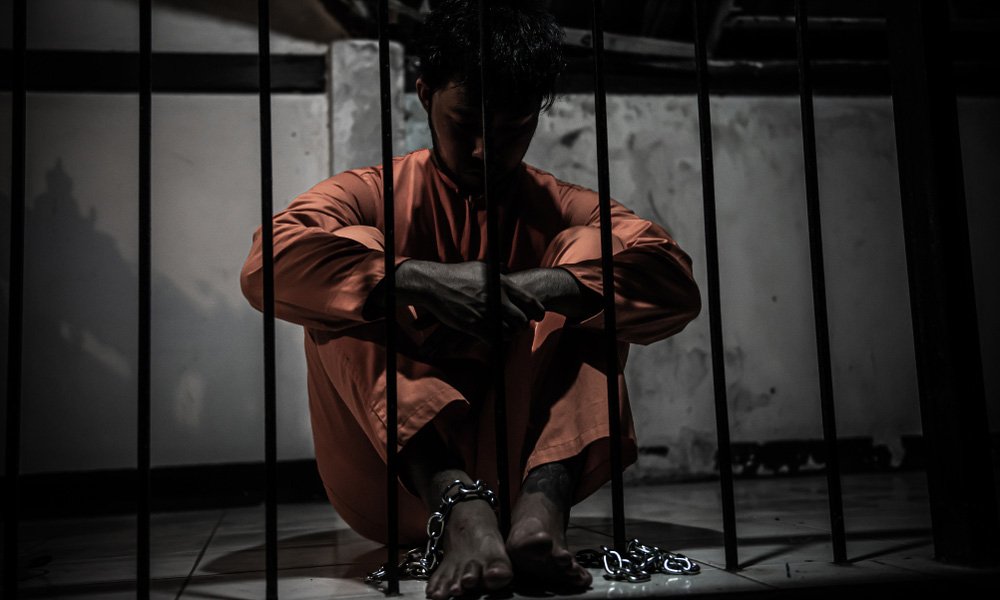
Securing housing in Japan can be particularly challenging for foreigners. Landlords frequently refuse applications from non-Japanese, and rental contracts often include exclusionary clauses such as “No Foreigners Allowed.” These practices most often target darker-skinned foreigners and those from South Asian or African backgrounds, further marginalizing these communities.

- Institutional Discrimination and Health Neglect
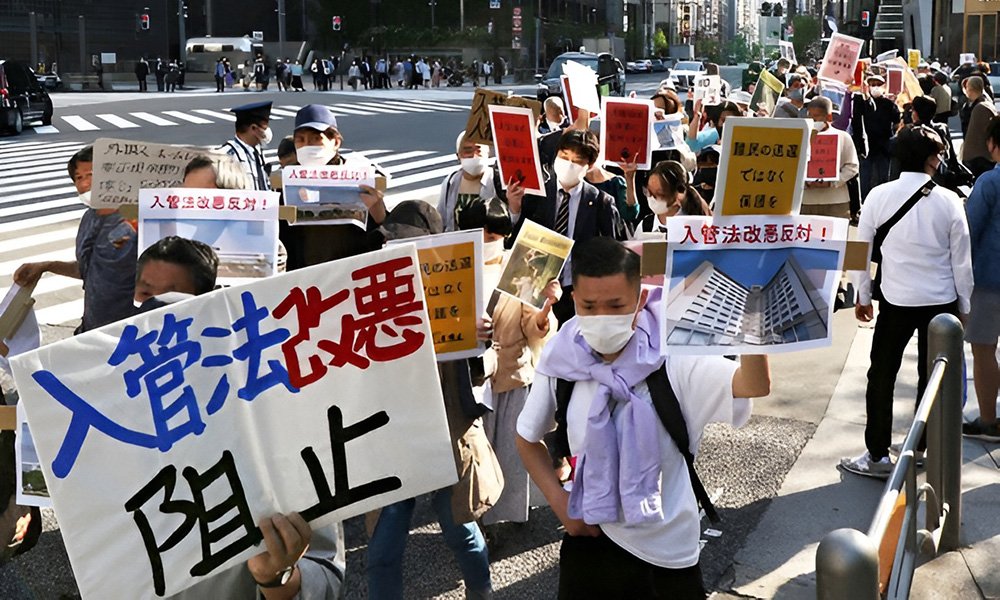
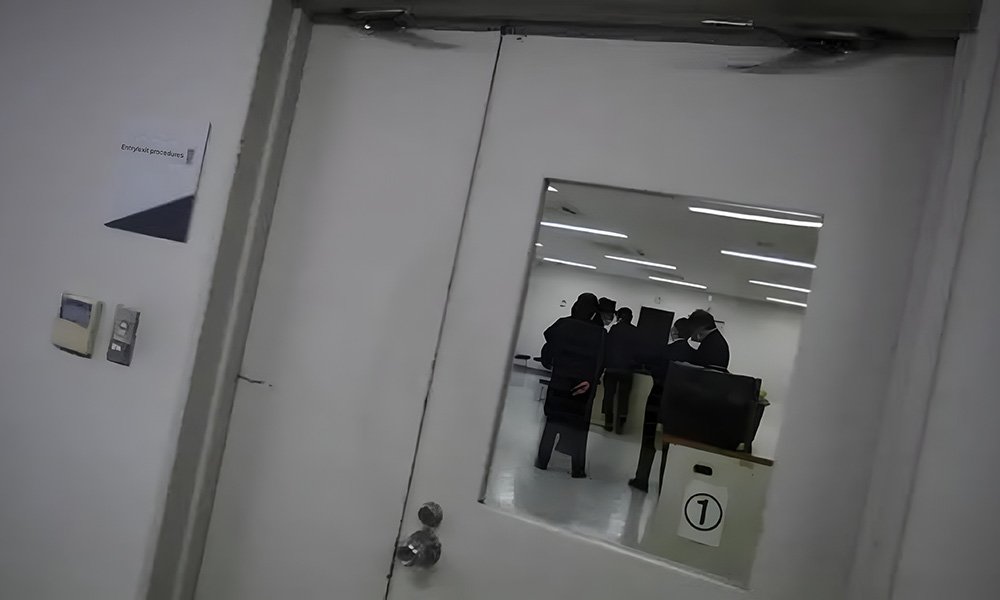
The death of a Sri Lankan woman in an immigration detention center in 2021 highlighted systemic neglect and discriminatory treatment within Japanese institutions. Denied medical care despite repeated pleas, her death became a tragic symbol of the vulnerability faced by foreign residents, particularly those from marginalized ethnic groups.

- Media Stereotypes and Cultural Insensitivity
Japanese media has a long history of broadcasting racially insensitive portrayals, including blackface performances and caricatured depictions of Africans. Such portrayals normalize offensive stereotypes and contribute to social prejudice against people of African descent and other visible minorities.

- Civil Rights Advocacy
Activists have challenged discriminatory practices in Japan, including lawsuits against establishments that refused entry to foreigners. One landmark case involved a public bathhouse that barred non-Japanese customers, even naturalized citizens. Legal victories in such cases demonstrate that discriminatory practices can be contested, though progress remains slow.

Broader Racism Against All Foreigners
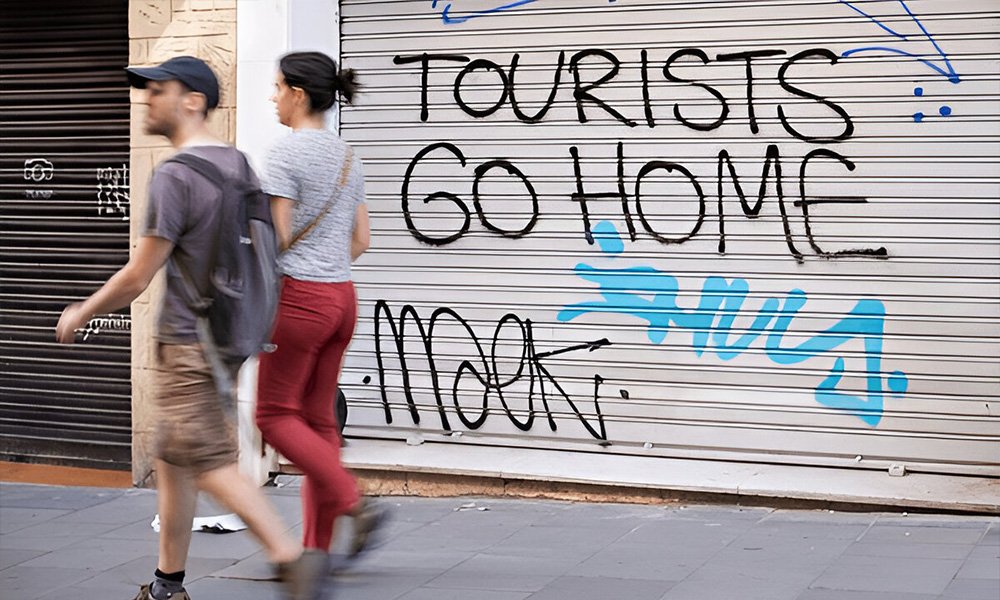
While Pakistanis, Sri Lankans, and Africans often face some of the harshest forms of discrimination, racism in Japan extends to foreigners of all backgrounds. Non-Japanese people—whether Western, Asian, or otherwise—frequently encounter subtle and overt exclusion in everyday life, such as being refused service at businesses, denied entry to public spaces, or treated as outsiders regardless of language ability or length of residency. This reflects a broader societal challenge where being “foreign” itself, rather than one’s specific nationality, can result in barriers to equal participation in Japanese society.
Summary of Key Patterns
| Type of Discrimination | Examples & Impact |
|---|---|
| Police Racial Profiling | Pakistanis, Sri Lankans, and Africans repeatedly stopped without cause |
| Housing Exclusion | Rental denials and “No Foreigners Allowed” clauses targeting visible minorities |
| Institutional Neglect | Death of Sri Lankan detainee underscores systemic failures |
| Media Racism | Blackface, offensive caricatures, and casual racism in entertainment |
| Legal Pushback | Civil rights lawsuits challenge exclusionary business policies |
| General Foreigners | Foreigners of all backgrounds face daily exclusion and outsider status |
Further Reading & Sources
Related news on Japan human rights
- Japan sees an increase in racial profiling of foreigners – Le Monde
- Racial profiling in Japan – Wikipedia
- Examples of racism in Japanese media – Facts and Details
- Housing discrimination in Japan – Rights Across Nations
- Discrimination against foreigners in Japan – Inside Japan
- Sri Lankan detainee death and multiculturalism issues – The IACS
- Debito Arudou’s civil rights case – Wikipedia