Immigration Detention
Japan's Immigration Detention System: A Cycle of Indefinite Detention and Human Rights Abuses

The Japanese immigration department is a law unto itself literally. That is to say it is too powerful to answer to the courts. If you had a friend or relative trapped in one of these hellholes even a court order to release them would not be worth the paper it is written on with the Immigration Department simply ignoring it. When the Japanese government has made accusations towards the department they have simply denied everything and continued to act the way they have for decades.
Japan maintains a strict immigration enforcement framework, including a long-standing policy of mandatory detention for individuals subject to deportation orders — with no legal time limit on how long a person may be held. Critics argue this results in arbitrary and prolonged detention with insufficient judicial oversight.
One of the most tragic cases involves Wishma Sandamali, a Sri Lankan woman who died in Nagoya’s immigration detention facility in March 2021. Detained for overstaying her visa after fleeing domestic violence, she repeatedly sought provisional release and proper medical care—requests that were denied. Reports revealed disturbing treatment, including medical neglect and humiliating remarks by officers. Her death intensified scrutiny of Japan’s immigration system.
In 2023, Amnesty International documented multiple human rights violations in the system, such as indefinite detention, beatings, use of solitary confinement, and inadequate medical care. Detainees recounted the use of the Japanese term chōbatsu (“punishment”), indicating punitive approaches rather than humane treatment.
The UN Human Rights Committee also raised concerns over conditions, including prolonged solitary confinement, three deaths between 2017–2021, inadequate access to counsel, restricted family contact, and poor healthcare. It emphasized that children were detained without judicial oversight and urged the establishment of an independent human rights institution.
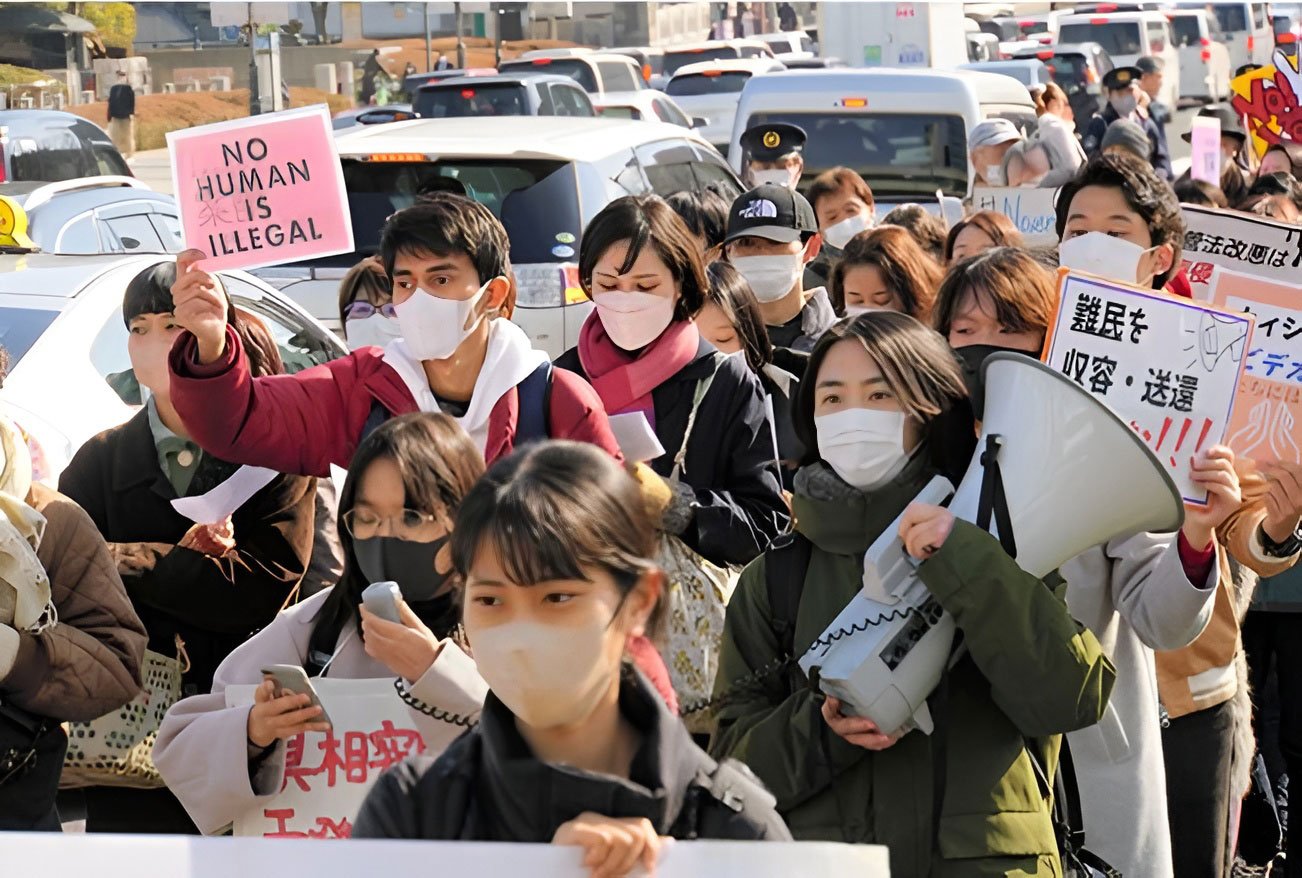
Detention centers themselves—like the Higashi Nihon (Ushiku) Immigration Center—have seen troubling practices. Reports describe overcrowded cells, minimal space, surveillance in “recreation rooms,” and inadequate medical care. Since 2006, there have been multiple suicides, often linked to hunger strikes by detainees protesting conditions.
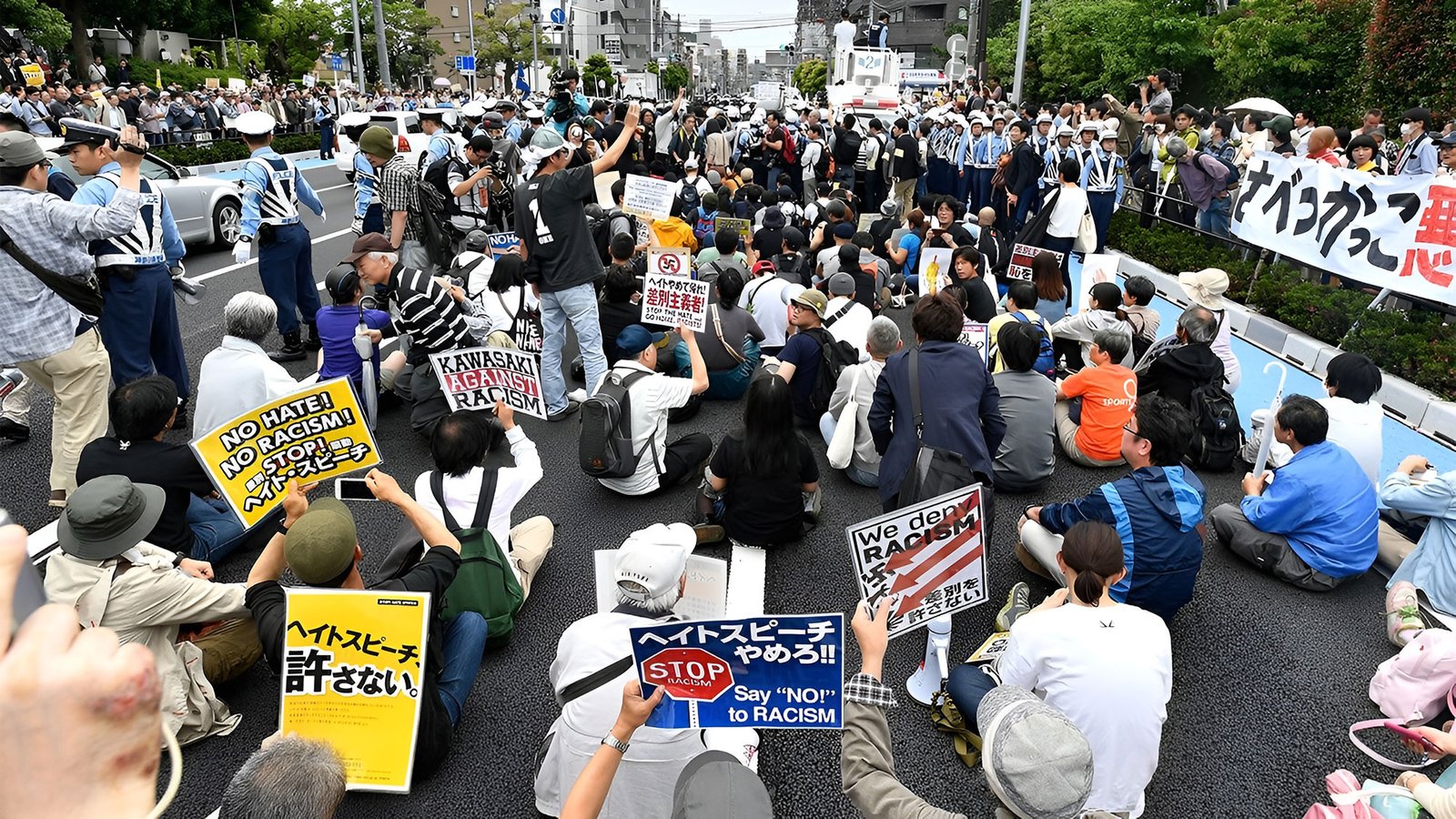
These issues occur within a broader context of Japan’s low refugee recognition rates—less than 1% in 2021—and rising racial profiling. Foreigners, particularly from Southeast Asia, Korea, and with darker skin tones, have reported being frequently stopped and questioned by police based solely on appearance—a practice condemned by UN bodies and foreign embassies.
Feel free to read through the links below that provide the references for this material. There is plenty of significant information to be found. In closing also take a look at this video to give you a greater idea of Japan’s Immigration Detention System
Summary of Key Issues
| Issue | Description |
|---|---|
| Indefinite detention | No maximum time—detainees held without judicial review |
| Medical neglect | Poor or denied healthcare, even upon repeated requests |
| Abusive discipline | Use of solitary confinement, beatings, humiliating treatment |
| Lack of oversight | Controlled complaint system and restricted transparency |
| Racial profiling | Discriminatory stops and searches based on appearance |
|
Physical and mental toll |
Suicides, hunger strikes, severe psychological distress |
Further Reading & Sources
Related news on Japan human rights
- Amnesty International: “Japan: ‘Endless detention’: Migrants speak out as government proposes harsh immigration bill”
- Nippon.com: “Japan’s Immigration System Unrepentant: Bureaucratic Fiat, Detention by …” (covering the case of Wishma Sandamali)
- Global Detention Project: “Japan Immigration Detention Profile”
- UN Human Rights Committee Findings on Japanese Immigration Centers
- Report on Higashi Nihon Immigration Center and related abuses